I Was Scammed Through Booking.com Messages After Reserving Pickalbatros Hotels

I made a reservation via Booking.com for Pickalbatros Hotels & Resorts from June 29 to July 4, 2025. Shortly after booking, I received what looked like an official message through Booking.com’s own messaging system. The message claimed to be from the hotel and instructed me to confirm my credit card details via a private link to avoid cancellation.
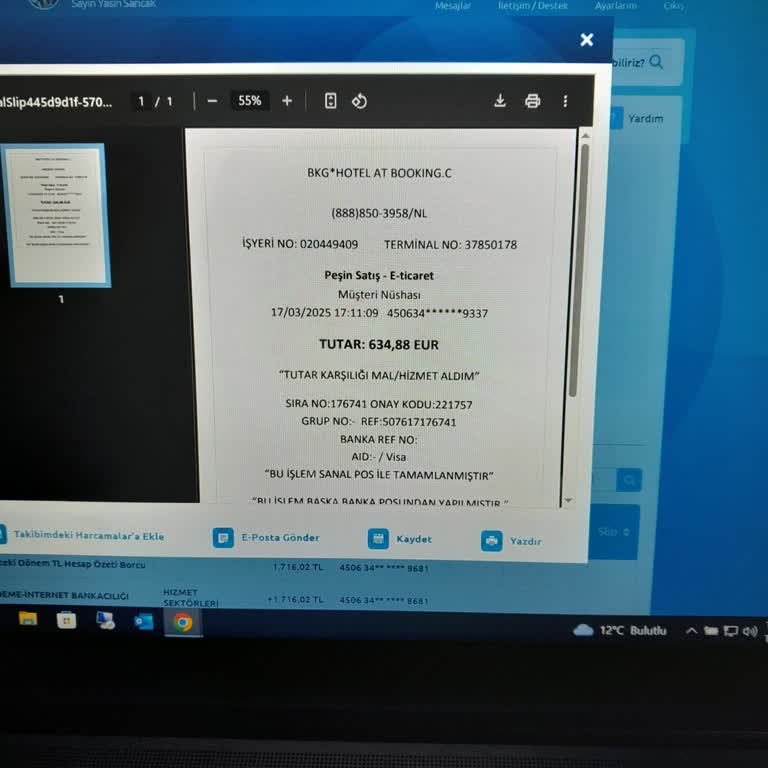
Since the message appeared directly in Booking’s interface, I trusted it and entered my card information. Minutes later, I noticed two unauthorized charges of €388.50 each (₺)—a total of €777. I immediately contacted my bank and reported the fraudulent transactions.
When I spoke directly with the hotel, they confirmed the message didn’t come from them and told me they’ve received multiple similar complaints. They even proactively warn customers against these phishing attempts through independent messages.
Unfortunately, the issue didn’t stop there. Later the same day, I received a WhatsApp message from someone posing as hotel staff, using the name “j** m***,” who had access to my reservation dates and Booking confirmation number. This means my personal information was leaked to third parties—a major violation of privacy.
📌 I have screenshots of all messages, hotel correspondence, and proof of card transactions.
📌 I have reported this incident to my bank and also filed a formal complaint with the prosecutor’s office.
Here is what I expect from Booking.com:
A detailed explanation of how my card details and personal booking information were exposed,
A full investigation into whether this breach originated from their platform,
Clear, public warnings to users about this type of scam,
Immediate cancellation of the fraudulent transactions and full reimbursement of the damages I incurred.
It is completely unacceptable for a global platform like Booking.com to allow user data to be accessed and exploited this way. If these concerns are not addressed immediately, I will escalate the matter to media outlets and the consumer arbitration board. This breach needs urgent attention and accountability.