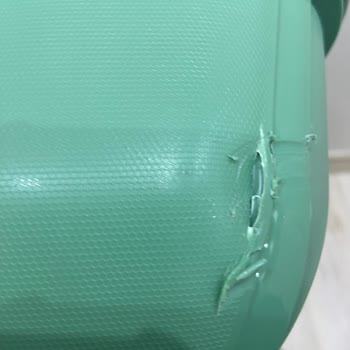
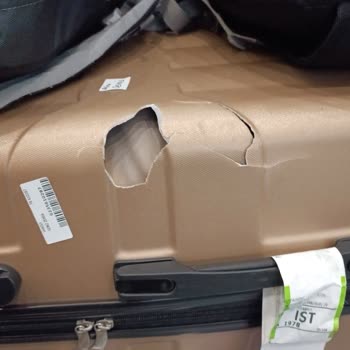
Turkish Airlines Damaged My Bag, Refused To Pay Acting Against The Law

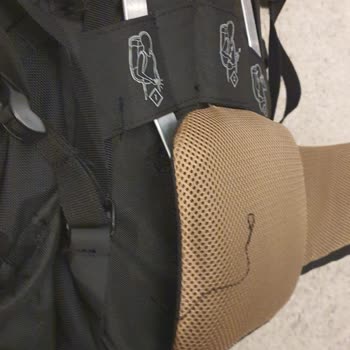
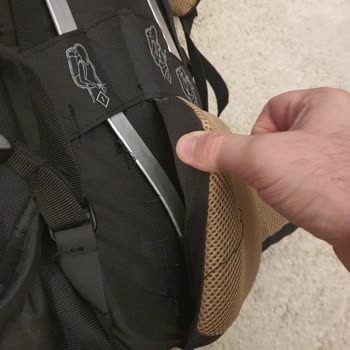

On January 14, 2024, during my THY flight from Kars to Istanbul, my luggage sustained significant damage. Despite THY's planes being relatively new with minimal usage, the waist support arm of my luggage, which had previously seemed to be in perfect condition, broke along with a damaged handle. This damage occurred on the same day as the flight, during which my wife and I were traveling with our 13-month-old baby. To make our journey easier, I checked in a separate piece of luggage. The damage to my luggage went unnoticed at the airport during the baggage loading process, thanks to the assistance of fellow passengers. Since my wife was holding our child, kind-hearted passengers helped by placing our luggage onto a trolley. As a result, we only discovered the damage when we arrived home, approximately one hour after leaving the airport. Upon identifying the damage, I promptly reported it to THY. I took photographs of the damage and forwarded them to the airline within two hours of receiving my luggage that evening. According to Turkish Civil Aviation Law Article 128 and Montreal Convention Article 31, any damage must be reported "immediately upon learning of the damage by the person authorized to receive it, and within seven days at the latest for passenger baggage from their delivery." Furthermore, Article 106 of the Turkish Civil Aviation Law refers to the Turkish Commercial Code. Article 912 of the Turkish Commercial Code specifies that the carrier is liable for the loss or damage of baggage in accordance with Articles 875 and 886 of the Law. When I reminded THY of these legal provisions and requested a re-examination, they acknowledged our rights and agreed to compensate for the damage. However, they introduced a new complication by requesting the purchase date invoice from the company where I originally bought the bag, along with a letter confirming that the damage was irreparable. In essence, THY appears to be violating various laws and regulations and seems to believe they are exempt from legal obligations. They resist compensating passengers for their losses, which is consistent with complaints from other passengers on various platforms. THY appear to be unfairly profiting by refusing to compensate passengers for damage to their belongings. This is especially concerning for passengers who may not be aware of their rights or who may feel discouraged and give up when faced with THY's challenging and intimidating policies.