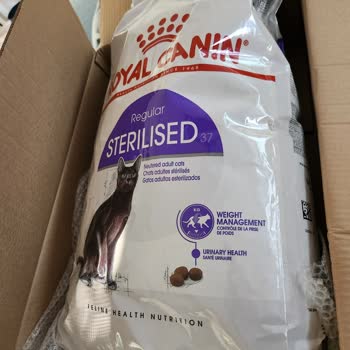
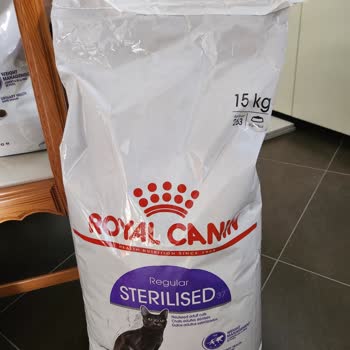
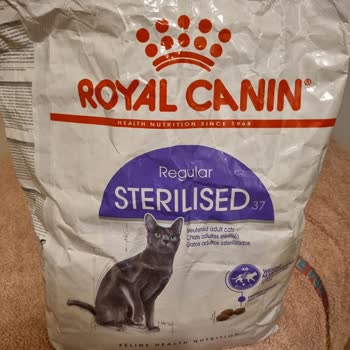
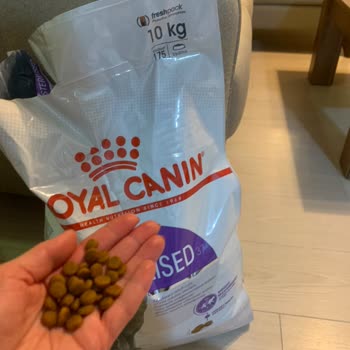
On November 11, I purchased a 15 kg bag of Royal Canin Sterilized 37 dry food. Seller was extremely attentive and meticulous at every stage of the purchase, including invoicing and order tracking. For this reason, I believe the issue is not with the seller but with Royal Canin’s packaging practices.
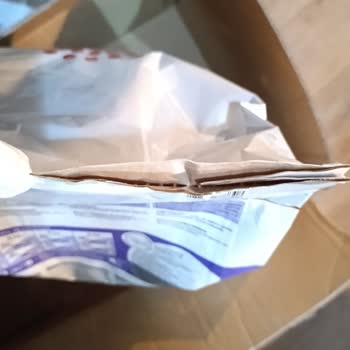
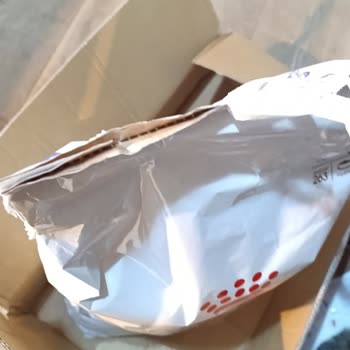
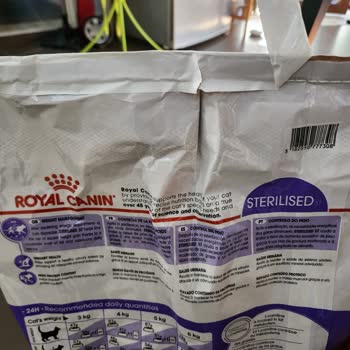
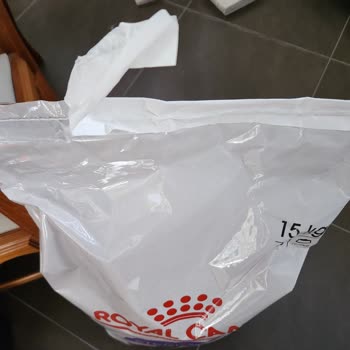
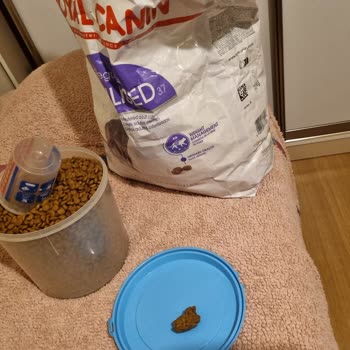
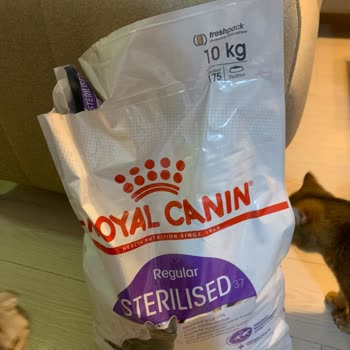
When the product arrived, I noticed major differences between the packaging I received and the packaging I previously knew as original. The top of the bag was not sealed in the usual way, like a classic heat-sealed doypack. Instead, it had a stitched (sewn) top, and the inner surface of the bag had a papery, double-layered texture. This made me seriously question whether the product was in its original packaging or repackaged later. The stitched top also raised concerns about air exposure, and I believe premium pet food should not be treated like a basic feed sack.
Because of these concerns, I contacted Royal Canin directly. They stated that the product was original; however, I do not believe a verbal statement alone is sufficient—especially when there is a clear, visible difference in packaging. When I checked the same product on Amazon, I saw the original-style sealed packaging: a fully heat-sealed, closed top, exactly as I’m familiar with. This further strengthened my suspicion that the stitched-top, papery-lined packaging I received is nonstandard. Because of this, I returned the product to the seller.
I request a clear, written explanation from Royal Canin regarding the reason for this different packaging type, through which channel this product was packaged, and what concrete evidence confirms its authenticity. Large pet food bags with stitched tops and papery inner layers should at minimum be classified as “open-bag” products and sold transparently without misleading the customer. Otherwise, it creates a significant trust issue. I expect a more transparent, verifiable, and standardized approach to packaging.







Comments