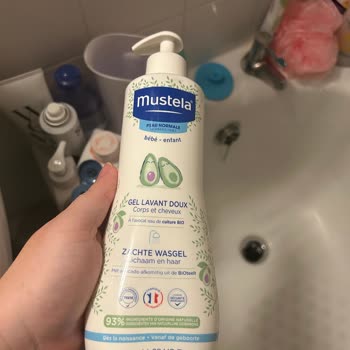
I'm hesitant to use Mustela products on my baby because I'm worried about safety testing. What kind of testing do they do before launching a new product?
10 Views
In the skincare industry, various pre-clinical and clinical testing practices are employed to ensure product safety and efficacy.
• Pre-clinical testing involves assessing raw ingredients for potential risks, conducting laboratory tests using cells or tissues to evaluate irritation and cytotoxicity, and using skin models to assess penetration and absorption.
• Clinical testing involves volunteer studies conducted under controlled conditions, focusing on parameters such as tolerability, efficacy, and potential side effects. Clinical testing progresses through different phases, from initial safety assessment in a small group (Phase I) to confirming efficacy in a larger group (Phase II) and comparing with existing products in an even larger group (Phase III).
• Post-marketing surveillance is also crucial, involving monitoring product safety after launch through reporting systems and consumer feedback. When considering testing practices, it's important to note that regulations vary depending on the product type and regulatory agencies involved.
Reputable companies prioritize transparency by providing information about their testing procedures and adhering to industry standards, ensuring consumers can make informed choices about the products they use.
If you've got more insights to add, don't hesitate to let us know.
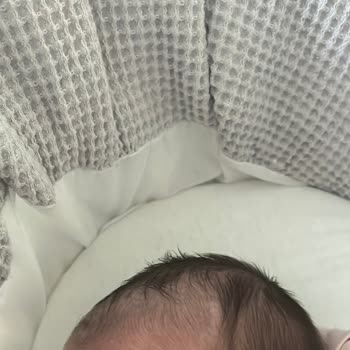
Mustela baby wash burned my newborn baby's hair off and made her skin red and peeling. It's way too strong for a newborn.... I do not recommend it at all—awful, pricey, and just terrible. It smells great, but it burns your baby's hair and skin. My baby is in discomfort, and this product is a complete d