Xolvie Resolution Specialist18 Mart 2024 09:59
To ensure safety, unplug your KitchenAid mixer before inspecting. Check the mixer's exterior for leaks after unplugging. Check for liquid, moisture, or drips around the motor housing, base, control panel, or attachment points.
Focus on the bowl and attachment points. Check for cracks or loose seals and lock the bowl to the mixer base without gaps.
The leak could be from several common sources. A worn-out or damaged bowl seal around the mixing bowl's bottom edge, which prevents leaks, is often to blame. Overfilling the bowl can cause ingredient overflow during mixing, spilling onto the base and possibly leaking. Unsecured beater paddles or dough hooks can also leak liquids.
Faulty seals or bearings can cause motor housing internal leaks, which are rare.
We highly value genuine customer experiences as the most trustworthy form of advice. If you suspect this information to be outdated or have experienced any challenges, we encourage you to share your feedback in the comments section. Your contributions will aid in raising awareness and refining the overall experience.
Vote
Related Complaints
KitchenAid Coffee Maker Leaks and Button Malfunctions, Refund Denied

November 23, 2024 7:19 AM
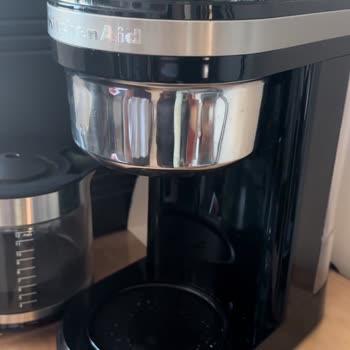
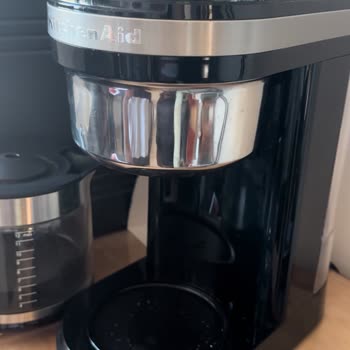
I purchased the KitchenAid Filter Coffee Maker 5KCM1209 in June for ₺6,000, trusting the brand’s reputation. However, it... started leaking excessively when removing the glass carafe, with enough water to fill half a tea glass dripping out. I sent the machine to their Ankara service center after being

KitchenAid
View All Complaints